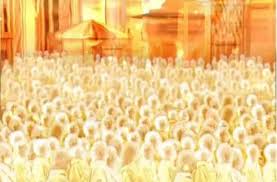
“They stand before the throne and before the Lamb, clothed in white robes, with palm branches in their hands,”
Rev. 7:9, ESV
We fail to grasp the essence of grace and its significance.
When we speak about grace, we must define it. First, grace is a free gift and kindness from God that people do not earn or deserve. When we appropriate grace as believers we understand that it gives us the power and gifts to live biblically and faithfully. We see that grace is given for both salvation and service.
Sometimes we forget this. I wonder sometimes if we’re ‘allergic’ to God’s grace.
We fall into the trap of work and legalism! I often lose sight of my true identity before a holy God, as unmerited favor tragically tries to become merited favor. This is not biblical; it is a distortion of the truth!
OK. What about repentance? We must understand that we’re called to renounce our sin and utterly turn from it. You are called to live holy and free. When Jesus met the adulteress who was about to be stoned, He forgave her, but He also commanded her:
“Jesus stood up and said to her, “Woman, where are they? Has no one condemned you?” 11 She said, “No one, Lord.” And Jesus said, “Neither do I condemn you; go, and from now on sin no more.”
John 8:10-11
The whole incident was grace, and this woman was receiving the unmerited favor of Jesus. She deserved death, she should have been stoned. But the first thing after her salvation was to live differently. This was a command to turn away from the sin which was going to destroy her.
I’m amazed by this grace.
Remember the thief hanging on the cross, consider the prodigal son, or the tax man Zaccheus. All three intrigue me as they found favor without meeting our own definition of repentance. Salvation seems to come by grace through faith alone.
Perhaps grace includes both faith and repentance? I must think about this more.
Brennan Manning compassionately comments on God’s grace:
“Because salvation is by grace through faith, I believe that among the countless number of people standing in front of the throne and in front of the Lamb, dressed in white robes and holding palms in their hands.
I shall see the prostitute from the Kit-Kat Ranch in Carson City, Nevada, who tearfully told me that she could find no other employment to support her two-year-old son.
I shall see the woman who had an abortion and is haunted by guilt and remorse but did the best she could faced with grueling alternatives; the businessman besieged with debt who sold his integrity in a series of desperate transactions; the insecure clergyman addicted to being liked, who never challenged his people from the pulpit and longed for unconditional love.
The sexually abused teen molested by his father and now selling his body on the street, who, as he falls asleep each night after his last ‘trick’, whispers the name of the unknown God he learned about in Sunday school.
‘But how?’ We should ask.
Then the voice says, ‘They have washed their robes and have made them white in the blood of the Lamb.’
There they are. There we are – the multitude who so wanted to be faithful, who at times got defeated, soiled by life, and bested by trials, wearing the bloodied garments of life’s tribulations, but through it all clung to faith.
My friends, if this is not good news to you, you have never understood the gospel of grace.”